

Creative activities are not limited to painting or crafts. For older adults in assisted living, creativity can include music, storytelling, gardening, cooking, photography, decorating, writing, problem-solving, and sharing life experience. These activities support identity, social connection, emotional expression, and a sense of purpose.
For residents of Schuylkill Haven, PA, creative programming can also reflect familiar seasons, local traditions, outdoor surroundings, and the practical interests of people who have spent much of their lives working, raising families, and participating in community life.
Why does creativity matter for older adults?
Creative activity gives residents opportunities to make choices, express preferences, and contribute something personal. That matters in assisted living, where daily routines may be more structured than they were at home.
A resident who chooses colors for a painting, selects a song, tells a family story, or arranges flowers is doing more than passing time. The activity may reinforce independence and personal identity.
Creative engagement can also support:
- Social interaction without pressure to carry a long conversation
- Emotional expression when feelings are difficult to describe
- Hand coordination and gentle movement
- Memory recall through music, photographs, recipes, and familiar objects
- Confidence from completing or contributing to a project
- A stronger sense of belonging within the residence
Creativity should not be presented as a treatment or guaranteed solution for memory loss, depression, or loneliness. It is better understood as one part of a supportive daily environment.
What kinds of creative activities work well in assisted living?
The most useful activities are adaptable, familiar, and open-ended. Residents should be able to participate at different skill levels without feeling tested.
Examples include:
- Watercolor painting, coloring, collage, or simple printmaking
- Knitting, sewing, fabric decoration, or large-piece craft projects
- Singing, listening to selected music, drumming, or learning simple rhythms
- Writing short memories, poems, letters, or captions for family photographs
- Story circles about work, holidays, childhood, military service, cooking, or community traditions
- Arranging artificial or seasonal flowers
- Container gardening, seed sorting, herb care, or observing birds outdoors
- Decorating cookies, assembling recipe cards, or discussing favorite meals
- Photography using a tablet or simple camera
- Building with large, lightweight pieces or completing familiar puzzles
- Creating seasonal displays for shared spaces
A finished product is not required. Conversation, experimentation, and participation may be more meaningful than producing something suitable for display.
How can activities be adapted for different abilities?
Creative programs work best when the activity is changed to fit the resident rather than expecting every resident to perform the same task.
For someone with limited hand strength, staff or family members can provide larger handles, lightweight materials, pre-cut shapes, or tools that require less pressure. For a resident with vision changes, high-contrast colors, larger print, strong lighting, and clearly separated materials may help.
Residents with memory changes may participate more comfortably when instructions are brief and demonstrated one step at a time. Repeating a familiar activity can be reassuring rather than boring. A person who no longer follows a complete recipe may still enjoy smelling herbs, stirring ingredients, sorting utensils, or describing how a meal used to be prepared.
Hearing loss can make group activities difficult if instructions are given while people are talking. Seating, lighting, written prompts, and face-to-face communication can improve participation.
The goal is not to correct every limitation. The goal is to preserve meaningful choice and allow each person to contribute.
How can creativity include residents who do not think of themselves as artists?
Many older adults say they are “not creative” because they associate creativity with formal art skills. A broader definition helps. Creativity can mean remembering, arranging, selecting, adapting, explaining, or imagining.
A resident may not want to paint but may enjoy:
- Choosing music for a group
- Advising others on a family recipe
- Identifying plants or tools
- Telling jokes or personal stories
- Helping name a project
- Selecting photographs for a display
- Teaching a card game or traditional skill
- Discussing how an object was used in the past
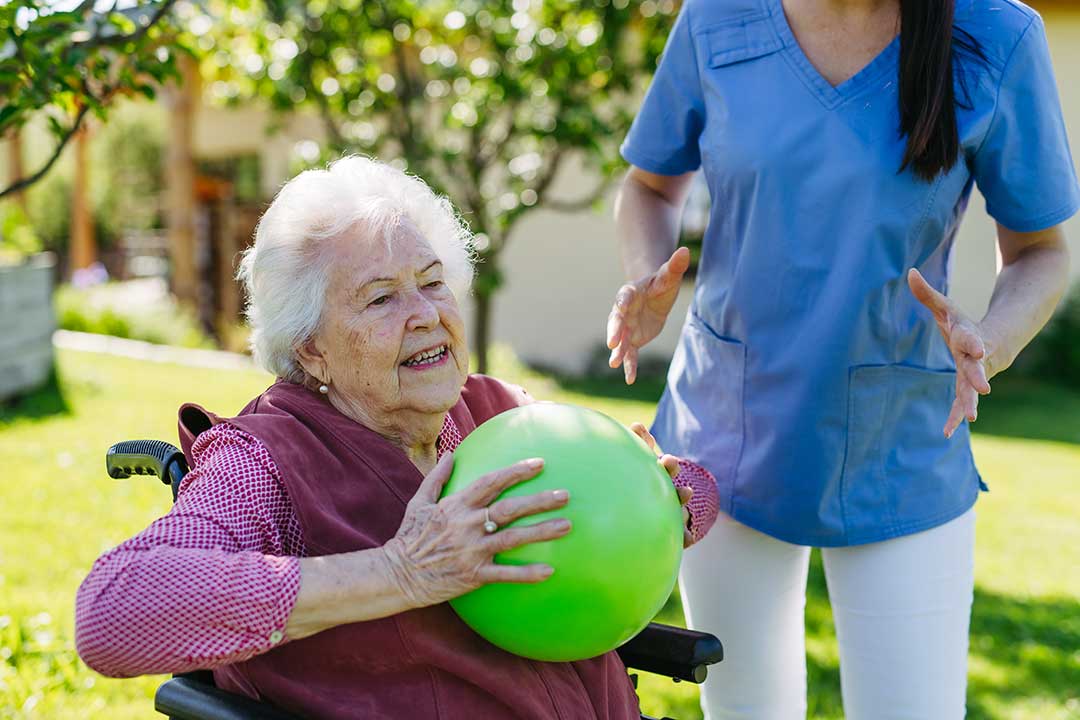
Activities should avoid language that sounds like a test. “Would you like to help choose the colors?” is often more inviting than “Can you make this?” Giving two or three choices can support autonomy without creating decision fatigue.
What makes a creative program feel personal?
Personal history is often the strongest starting point. Before planning activities, it can help to learn about a resident’s past interests, including hobbies that may no longer be physically possible in the same way.
Useful questions include:
- What did the person enjoy making or repairing?
- Did music, church activities, gardening, cooking, woodworking, sewing, or photography play a role in family life?
- Which holidays, seasons, or household traditions were meaningful?
- Did the person prefer working alone, with one other person, or in a group?
- Would the resident rather lead, assist, observe, or talk?
Family members can contribute safely by sharing photographs, copies of recipes, stories, or information about favorite songs. Personal items should be labeled and handled carefully, especially when several residents use a shared activity area.
In a community with cold winters and changing seasons, indoor activities can provide structure during stretches when outdoor time is limited. During warmer weather, creative work may move to a porch, courtyard, garden area, or sunny common room if surfaces, shade, and mobility access are appropriate.
How should staff and families respond to creative work?
Respectful response matters as much as the activity itself. Praise should focus on effort, choices, memories, or participation rather than judging whether something is attractive.
Helpful comments might include:
- “You chose a strong contrast between those colors.”
- “That song brought back a memory for you.”
- “You explained that recipe clearly.”
- “You found a way to make the materials easier to handle.”
- “Would you like to tell me about this part?”
Avoid correcting a resident’s work unnecessarily or taking over because the result is slower or different than expected. Asking permission before displaying a project is also important. Some residents enjoy public recognition; others prefer to keep creative work private.
What common mistakes should be avoided?
Creative programming can become less effective when it is treated as a scheduled obligation rather than an opportunity. Common problems include offering only childish crafts, using the same project for everyone, rushing residents, or assuming that a completed object proves the activity was worthwhile.
Other concerns include cluttered work areas, unsafe small pieces, poor lighting, strong odors, wet floors, or materials that may create allergy or choking risks. Activities involving heat, sharp tools, chemicals, or outdoor surfaces require additional safety planning.
Residents should also be allowed to stop. Fatigue, pain, frustration, or changes in attention are valid reasons to pause or choose a quieter role.
How can creativity continue beyond organized activities?
Creative expression does not need to happen only during a formal program. A resident may keep a small notebook, listen to selected music, arrange personal photographs, help with a tabletop garden, or discuss a family tradition during an ordinary visit.
Short, regular opportunities may be more successful than occasional elaborate events. Ten minutes of familiar music, a simple drawing prompt, or a conversation about seasonal foods can support connection without exhausting the resident.
The most effective approach is flexible: offer meaningful choices, adapt materials, respect personal history, and recognize that creativity can be expressed through making, remembering, teaching, observing, and sharing.
