
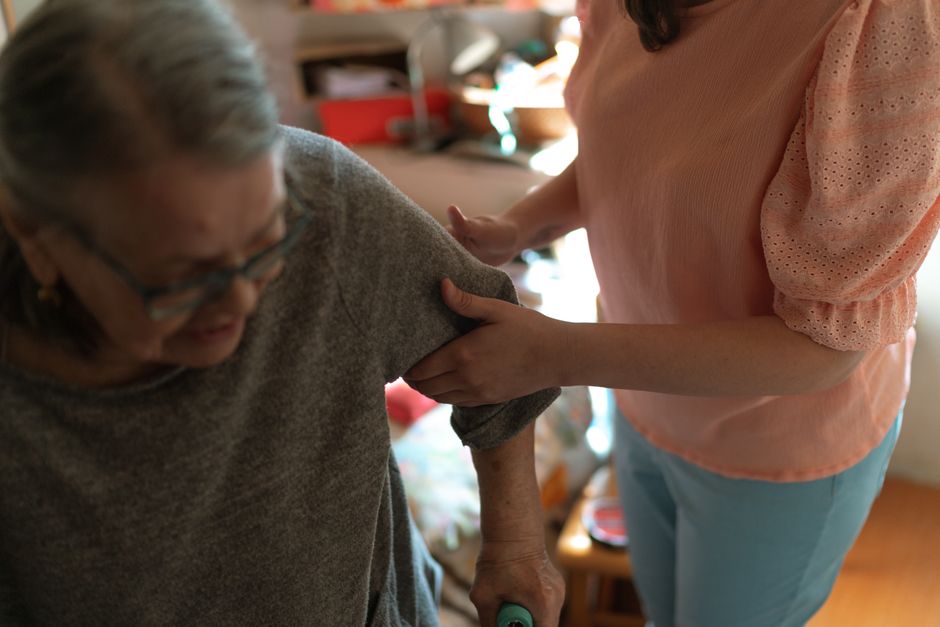
Deciding whether assisted living is appropriate can be emotionally difficult. The question is usually not whether an older adult can do anything independently, but whether daily life has become unsafe, exhausting, or too difficult to manage without regular support.
For families in Schuylkill Haven, changes may become more noticeable during winter weather, after an illness, or when relatives who provide help are no longer available every day. Assisted living may be worth considering when support needs have become consistent rather than occasional.
What does assisted living help with?
Assisted living is intended for adults who need help with daily activities but do not require continuous skilled nursing care. Support may include bathing, dressing, toileting, walking, eating, medication routines, laundry, meals, transportation arrangements, and supervision.
The goal is not to remove independence. In many cases, the purpose is to provide enough assistance that a person can continue making choices, participating in activities, and living with less risk.
In Pennsylvania, assisted living residences and personal care homes are licensed residential settings. Their services and admission requirements can differ, so families should carefully compare the level of care offered with the person’s actual needs.
What are the clearest signs that help is needed?
A single mistake does not automatically mean assisted living is necessary. A pattern of changes, especially changes that affect safety or health, deserves closer attention.
Common signs include:
- Repeated falls, near-falls, or difficulty getting up after sitting or lying down
- Trouble bathing, changing clothes, brushing teeth, or using the bathroom safely
- Missed medications, accidental double doses, or confusion about prescriptions
- Spoiled food, skipped meals, weight loss, or difficulty preparing food
- Increasing difficulty managing bills, appointments, paperwork, or household responsibilities
- Driving concerns, getting lost, or becoming confused in familiar places
- Unpaid bills, unusual purchases, or vulnerability to scams
- A home that has become unusually cluttered, dirty, or hazardous
- Frequent calls for help during the night
- Social withdrawal, loneliness, anxiety, or loss of interest in normal routines
- Exhaustion or declining health among family members providing care
The pattern matters more than any one event. For example, one forgotten appointment may be harmless. Several missed appointments combined with medication errors and spoiled food suggest that additional support may be needed.
When is living at home no longer safe?
Safety concerns are often the strongest reason to consider a change in living arrangements. A person may appear capable during a short visit while struggling during the hours when no one is present.
Look for evidence such as burned cookware, unexplained bruises, repeated falls, wandering, water left running, or difficulty responding to a phone call or emergency alert. Problems with heating, stairs, snow and ice, or poor lighting can create additional risks during colder months.
In the surrounding community, homes may include steps, uneven walkways, multiple floors, or older layouts that become harder to manage with limited strength or balance. Winter conditions can make errands, outdoor maintenance, and transportation especially difficult.
An urgent medical or safety issue should be addressed immediately rather than waiting for a housing decision. Sudden confusion, weakness, trouble speaking, chest pain, or a serious fall may require emergency medical attention.
Does needing help mean assisted living is the only option?
No. Assisted living is one option among several, and the right choice depends on the type and amount of help required.
Some people can remain at home with a combination of family assistance, personal care, meal support, transportation, medication organization, home modifications, or visiting services. Others may benefit from a smaller shared household arrangement or a setting designed for people with memory-related needs.
Assisted living may be a reasonable option when home-based support is no longer reliable, when several types of help are needed each day, or when family caregivers are becoming physically or emotionally overwhelmed.
A person who needs regular medical monitoring, complex treatments, rehabilitation, or round-the-clock nursing care may need a more intensive setting than assisted living. The distinction should be based on current care needs, not on age alone.
How can families tell whether the problem is temporary?
Some difficulties follow a treatable illness, medication change, hospitalization, dehydration, infection, depression, or injury. A sudden decline should not automatically be treated as a permanent loss of independence.
Before making a long-term decision, consider whether the change began abruptly and whether it improves with medical treatment, therapy, rest, better nutrition, or a safer routine. A health evaluation can help identify reversible causes.
At the same time, repeated crises should not be dismissed as temporary. If a person returns home from each hospital visit only to fall again, miss medications, or become unable to manage basic tasks, the overall pattern may indicate that the current arrangement is no longer sufficient.
What questions should families discuss together?
The conversation should focus on specific daily experiences rather than general statements such as “You cannot live alone anymore.”
Useful questions include:
- What tasks are becoming difficult?
- How often is help needed?
- What happens when help is unavailable?
- Has there been a fall, medication error, missed meal, or unsafe situation?
- Does the person feel lonely, frightened, or overwhelmed at home?
- Can family members provide the needed help consistently?
- What type of support would make the greatest difference?
- Would a home change, temporary assistance, or a residential setting be safest?
Including the older adult in the discussion is important whenever possible. Resistance may reflect fear of losing control, concern about cost, grief over leaving a longtime home, or a misunderstanding of what assisted living actually provides.
What should families evaluate before choosing a setting?
Families should compare actual services rather than relying on the label “assisted living.” Ask whether the setting can provide help with bathing, transfers, toileting, meals, medications, nighttime needs, mobility, and memory-related behaviors.
Also ask:
- What happens if care needs increase?
- Are there additional charges for specific services?
- How are emergencies handled?
- Is transportation available for medical appointments?
- Are residents encouraged to make daily choices?
- What happens during power outages, severe weather, or other emergencies?
- How often are care plans reviewed?
- What conditions would require a move to a higher level of care?
Visiting at different times of day can reveal whether the setting is calm, clean, accessible, and suitable for the individual’s routines. Notice how staff speak with residents, whether residents appear engaged, and whether the environment feels manageable for someone with limited vision, balance, hearing, or memory.
What if the family cannot agree?
Disagreement is common. One relative may see clear safety problems while another feels the older adult is still managing well. Written observations can make the discussion more objective.
Keep a brief record of falls, missed medications, missed meals, driving incidents, nighttime problems, and the amount of help provided. Include dates and specific examples rather than judgments.
The decision does not always have to be permanent or immediate. A family may begin by increasing support, arranging a medical assessment, exploring residential options, or discussing what circumstances would trigger a move. Planning before a crisis usually gives the older adult more choices and gives family members time to understand the costs, services, and care levels involved.
The clearest indication that assisted living may be appropriate is a continuing gap between the help a person needs and the support safely available at home. Recognizing that gap is not a failure. It is a way to protect health while preserving as much independence and personal choice as possible.
